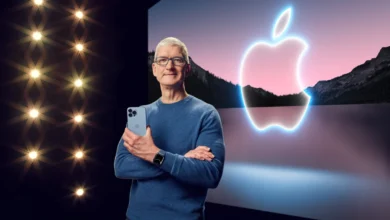
Tim Cook to step down as Apple CEO in September as John Ternus prepares to take the helm

The era of Tim Cook at Apple is drawing to a close. After leading the world’s most valuable technology company through more than a decade of unprecedented growth, product diversification, and cultural shifts, Cook has announced his intention to step down as Chief Executive Officer this September. The leadership transition marks a watershed moment for the Cupertino giant, as the board of directors prepares to hand the reins to John Ternus, Apple’s current Senior Vice President of Hardware Engineering. This handover comes at a time of profound transformation for Apple, as the firm balances the legacy of its hardware-centric business model with the encroaching demands of a new era dominated by artificial intelligence and increasing regulatory scrutiny.
The Architecture of the Succession
John Ternus, a long-time veteran of the company, has been widely viewed as the natural successor to Cook. Joining Apple in 2001, Ternus ascended through the hardware ranks, playing a pivotal role in the development of the iPad, the iPhone, and the Mac. His oversight of the transition to Apple Silicon—the custom-designed chips that have reinvigorated the company’s computer lineup—cemented his reputation as an operations-focused executive capable of executing high-stakes strategic shifts.
The appointment of an internal successor mirrors the philosophy of Steve Jobs, who handpicked Cook to ensure cultural continuity. By selecting Ternus, Apple’s board aims to signal stability. However, the ecosystem Ternus inherits is vastly more complex than the one Cook took over in 2011. While Cook successfully navigated the transition from a post-PC era to one dominated by mobile services and wearables, Ternus must now lead Apple through a period where the company’s "walled garden" approach is being systematically challenged by international regulators, competitors, and a fundamental shift in how users interact with software.
A Legacy of Fiscal Dominance
Tim Cook’s tenure is defined by monumental fiscal expansion. When he took over from Steve Jobs in August 2011, Apple’s market capitalization stood at approximately $350 billion. Under his leadership, that figure climbed past the $3 trillion mark, making Apple the first company to reach such valuations. Cook transformed the company from a hardware manufacturer into a service-based behemoth. The introduction of Apple Music, Apple TV+, Apple Pay, and the continued expansion of the App Store transformed the company’s recurring revenue streams.
Yet, this success has attracted the attention of global antitrust authorities. The App Store’s 30% commission model, once the gold standard for software distribution, is currently under intense pressure from the European Union’s Digital Markets Act (DMA) and various legal battles in the United States. These challenges force Ternus to address whether Apple can maintain its historical margins while opening its ecosystem to third-party stores and alternative payment methods.
The Changing Landscape of Development
The rise of "vibe-coded" applications—software built through generative AI tools rather than traditional manual programming—represents a paradigm shift in how developers interact with the Apple platform. Ternus faces the challenge of maintaining the high standards of quality and security that have defined the iOS and macOS experience while simultaneously integrating generative AI capabilities that compete with the traditional application model.
Industry analysts suggest that Apple’s primary challenge in the coming years will be preventing the commoditization of its hardware. As software becomes increasingly intelligent and cloud-dependent, the hardware itself risks becoming a "dumb pipe." Ternus will need to leverage Apple’s unique integration of custom silicon and proprietary software to ensure that the user experience remains distinct and superior to that of competitors who rely on commodity hardware.
Broader Industry Implications and Market Reactions
The ripple effects of this transition extend far beyond Cupertino. As the tech industry watches the handover, attention has also turned to the wider venture capital and startup landscape. The current climate, marked by high interest rates and a cooling IPO market, has placed additional pressure on startups to prove their viability.
Recent deal activity underscores the volatility of the current market. For instance, the recent $60 billion option deal involving SpaceX and the AI-focused development platform Cursor highlights the massive capital being funneled into the next generation of infrastructure. Startups are increasingly building on top of, or in competition with, the platforms established by Big Tech. As Apple transitions, developers will be closely monitoring whether the new leadership will maintain the current developer relations policies or move toward a more open, albeit less profitable, platform model.
Chronology of the Cook Era
- August 2011: Tim Cook is named CEO of Apple following the resignation of Steve Jobs.
- 2014: Apple acquires Beats Electronics, signaling a major push into the services and subscription market.
- 2015: The Apple Watch is released, establishing the company’s dominance in the wearables market.
- 2018: Apple becomes the first publicly traded company to reach a $1 trillion market cap.
- 2020: The transition to Apple Silicon is announced, marking a major departure from Intel processors.
- 2022: The European Union passes the Digital Markets Act, beginning a multi-year effort to force Apple to open its App Store.
- April 2026: Official announcement of the leadership transition, naming John Ternus as the next CEO.
Strategic Priorities for the Incoming CEO
John Ternus will likely prioritize three core areas during his first 24 months in office:
- AI Integration: Apple has been perceived as a laggard in the generative AI race compared to companies like Microsoft and Google. Ternus must accelerate the integration of on-device AI that respects user privacy, a core tenet of the Apple brand.
- Regulatory Compliance: The legal battles in the EU and the US regarding the App Store will define the company’s financial structure for the next decade. Ternus must navigate these settlements without compromising the user experience or brand equity.
- Hardware Innovation: With the maturation of the smartphone market, Ternus needs to identify the "next big thing." Whether this involves Augmented Reality (AR) through the Vision Pro or a deeper pivot into robotics and home automation, the hardware team must deliver a successor to the iPhone’s revenue dominance.
Expert Analysis and Industry Sentiment
Financial analysts have largely responded to the news with cautious optimism. While the loss of Cook’s steady hand at the helm creates uncertainty, the market has long anticipated a transition to a "product-first" executive. Ternus is widely regarded as a technologist, a contrast to Cook’s background in operations and supply chain management. This suggests that Apple may lean more heavily into its identity as a product design firm under his guidance.
"The challenge for Ternus is not in the execution of the supply chain—a system Cook perfected—but in the vision of the software ecosystem," noted one industry observer. "Apple is entering a period where the software is no longer just an accompaniment to the hardware; it is the product itself. If Ternus can successfully merge Apple’s engineering prowess with a more flexible, AI-forward software strategy, the company will remain the dominant force in tech."
Conclusion: The Road Ahead
As September approaches, the tech world is preparing for a new chapter. The transition from Cook to Ternus is not merely a change of personnel; it is a signal of the evolution of the technology sector itself. Apple, a company that once thrived by controlling every aspect of its user experience, must now learn how to flourish in a more interconnected and regulated environment.
For startups and developers, the shift in leadership will be scrutinized for any changes to App Store policies, development tools, and partnership structures. For shareholders, the focus remains on whether the company can sustain its growth trajectory in an increasingly competitive AI-driven market. As John Ternus prepares to step into one of the most high-profile roles in global business, he does so with the knowledge that the world is watching, and that the standards set by his predecessors are as high as they are demanding. The "vibe-coded" future of the tech industry is arriving, and Apple’s ability to adapt will determine its relevance for the next decade.